Let us be honest. Teams do not bond in stuffy meeting rooms. They bond when they step outside, breathe clean air, and talk like real people. That is why companies looking to book staff retreats in Minnesota, often look to resorts and lodges to help reset their company focus and bring their people together.
A change of place changes behavior. Phones go down. Conversations open up. Ideas move faster. Minnesota resorts give you that shift. You get quiet woods, babbling brooks, and spaces built for both work, rest, and play. It is simple, practical, and it works.
Why Minnesota Makes Sense for Company Retreats?
Minnesota resorts offers something rare. It feels remote but stays easy to reach. Drive a few hours and you are in open country. No traffic. No stress.
The peaceful, natural environment does half the job for you. Fresh air clears the mind and reduces tension. People slow down and listen. When the setting is peaceful, your team follows suit.
Costs also stay reasonable. Lodging, meals, and activities often cost less than major conference centers. You get more value without cutting quality.
That makes planning easier for managers and HR teams. You stay on budget and still deliver a strong experience.
Cabins Create Real Connection
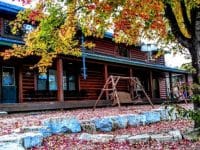
Cabins work well for all sorts of groups. Think leadership teams, project units, or departments that need focused time together.
The vibe stays relaxed. People can cook meals side by side or have meals catered. They gather around a fire. They talk late into the evening. It feels natural. No pressure. No stiff schedule.
These simple moments build trust fast. You cannot fake that kind of bonding.
Many planners choose cabins when they want:
- Quiet time for strategy
- Honest conversations
- Fewer distractions
- Private space for the group
Cabins also keep everyone close. You walk a few steps and you are together. No elevators. No long hallways. Just open space and fresh air.
For many companies, this setup defines successful resort staff retreats in Minnesota. It keeps things personal and productive at the same time.
Lodges Support Work and Comfort
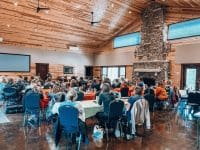
Larger teams often need more structure. They need meeting rooms, screens, and reliable internet. That is where lodges or rural retreat centers step in.
Conference lodges mix business tools with a relaxed setting. You can hold a workshop in the morning and hike after lunch. It feels balanced. Work gets done. People still recharge.
Most lodges offer:
- Meeting halls
- Audio and video equipment
- Group dining
- Flexible seating
- Outdoor areas for breaks
This setup works well for training sessions, annual planning, and company wide events. Everyone stays on site, so you do not waste time driving around town.
That convenience matters more than you think. Less travel means more energy. More energy means better focus.
Outdoor Activities That Actually Help Teams
Here is the truth. Long meetings wear people out. Movement wakes them up.
Minnesota makes activity easy. Nature sits right outside your door. You do not need complex planning.
Teams can try:
- Hiking wooded trails
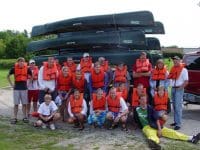
- Canoeing or kayaking
- Fishing off the dock
- Snowshoeing in winter
- Lawn games and team challenges
- Evening bonfires
These activities feel casual. Yet they do serious work on the comradery and team building side of things. People talk freely. Leaders feel more approachable. New hires feel included.
Shared experience builds respect. A simple paddle on the river can do more than a three-hour presentation.
Sometimes simple is better!
Choosing the Right Type of Venue
Every team has different goals. So, start with clarity.
Ask a few direct questions:
- How many people are attending?
- Do we need formal meeting space?
- Do we want meals provided?
- Do we want free time or a tight schedule?
If your group is small and focused, a single large cabin may be a good fit. If your team is larger and would benefit from structured sessions, and shared meal times you may want to choose a resort with a retreat center onsite.
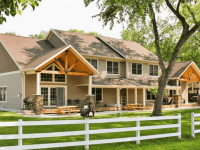
Some places offer both. That flexibility helps. You can meet during the day and relax at night without leaving the property.
That is why many planners look for all in one resorts when organizing staff retreats in Minnesota. One location keeps everything simple. Lodging, meals, and activities stay in reach. Less logistics means fewer headaches.
Practical Tips for Smooth Planning
Good planning saves time and stress. Keep it straightforward.
- Book early, especially for summer and fall. Popular dates fill fast.
- Create a light schedule. Leave room for breaks. People need downtime to think and recharge.
- Set clear goals. Decide what success looks like before you arrive.
- Assign a point person. One coordinator avoids confusion.
Small steps like these keep the retreat focused and effective.
People Also Ask
Q. What is the ideal length for a staff retreat?
Ans – Most teams benefit from a two- or three-day retreat. This timeframe allows enough space for meetings, team building, and relaxation without overwhelming participants. Shorter trips may feel rushed, while longer stays can impact work schedules and increase costs unnecessarily.
Q. Are cabins suitable for professional meetings?
Ans – Yes, cabins can support professional sessions when planned properly. Many include large common areas, dining tables, and quiet surroundings that work well for workshops and discussions. The informal setting often encourages open dialogue and creativity, which can improve collaboration and decision making.
Q. What season works best for retreats in Minnesota?
Ans – Each season offers advantages depending on your goals. Summer supports water activities and outdoor fun. Fall provides cooler weather, fewer crowds, and the beauty of the fall colors. Winter creates a cozy atmosphere for sessions. Spring can be a mix of all the above. Choose the season that matches your preferred pace and activities.
Q. How many people can a retreat venue usually host?
Ans – Capacity varies by property. Small cabin setups may host under ten guests, while resorts with retreat centers often accommodate dozens or even hundreds. Always confirm sleeping arrangements, meeting space, and dining capacity to ensure the venue comfortably supports your group size.
Q. Do we need structured team building programs?
Ans – Formal programs can help, but they are not always necessary. Simple shared experiences like hiking, cooking together, or casual group games often build strong bonds as well. Natural interaction often feel more genuine and less forced, which leads to better long-term results. But each group is different and resorts that are accustomed to hosting retreats will certainly have ideas for both experiences.
Book Now!!
When you want a place that blends privacy, comfort, and purpose, choose a setting that handles the details for you. We believe retreats should feel easy, not complicated.
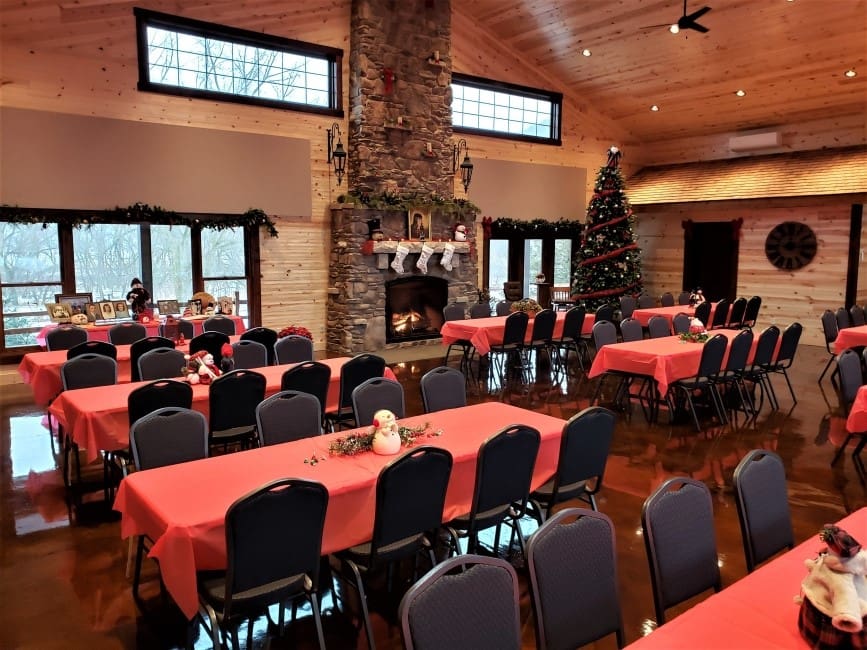
At Cedar Valley Resort, we offer cabins, a dedicated retreat center, and open spaces where teams can meet, relax, and connect. We help plan lodging, meals, and meeting needs so you can focus on your people.
If you are ready to plan meaningful staff retreats in Minnesota, we would be glad to welcome you and your team.